
Essential Truck Accessories for Outdoor Enthusiasts and Adventurers
Outdoor adventures often require more than a capable truck. The right equipment helps drivers carry camping supplies, navigate unfamiliar trails, handle changing weather, and stay comfortable far from home. Choosing practical truck accessories allows outdoor enthusiasts to customize their vehicles around their activities, whether they enjoy weekend camping, fishing trips, mountain trails, or extended overland journeys. Understanding the benefits of different upgrades makes it easier to build a setup that balances safety, storage, and convenience.
Expanding Storage With Heavy-Duty Roof Racks
Maximizing Available Cargo Space
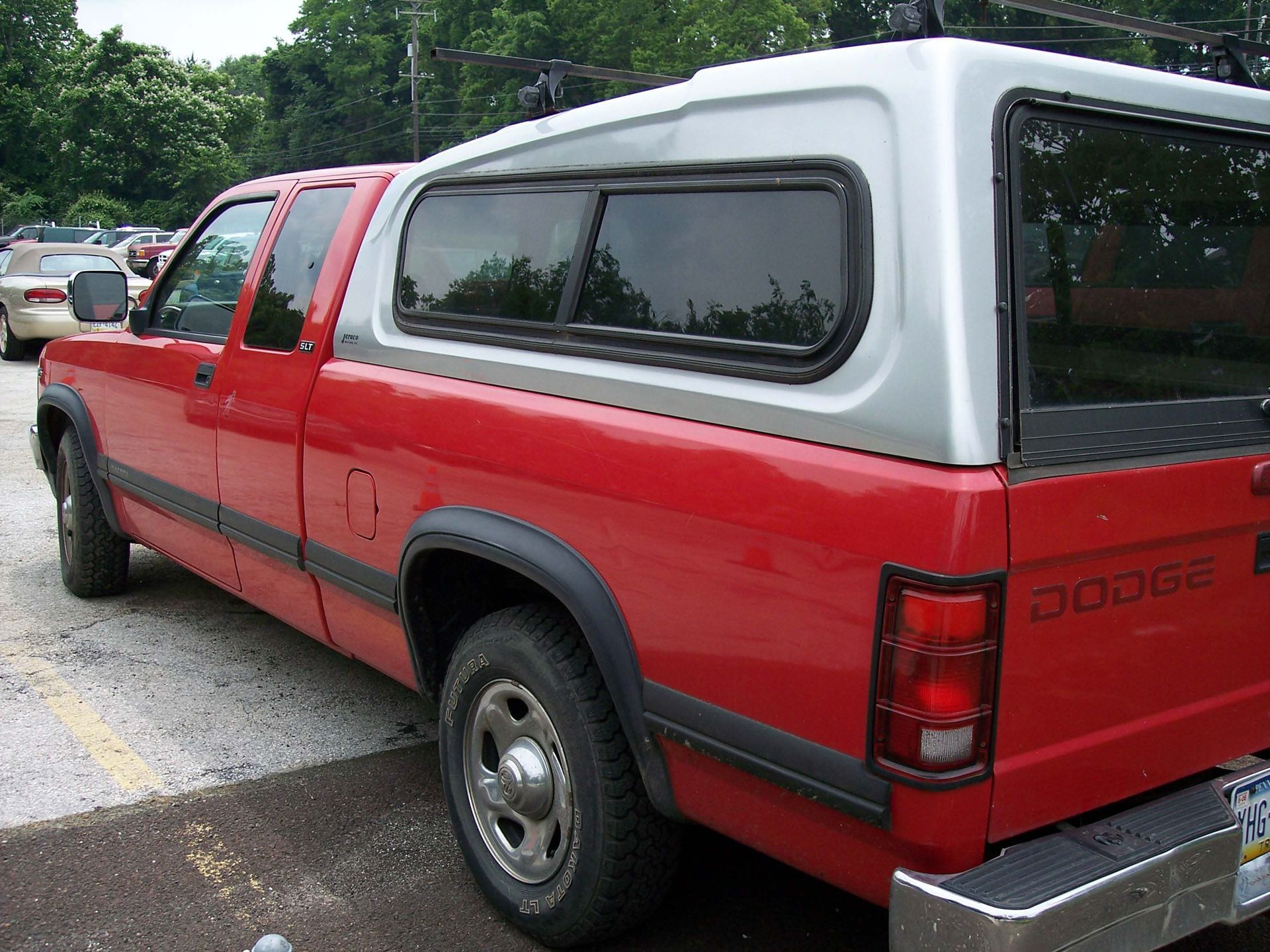
Roof racks create additional room for bulky equipment that might otherwise crowd the truck bed or passenger cabin. Kayaks, bicycles, rooftop tents, and camping gear can often be secured overhead with the appropriate mounting system. This arrangement leaves more interior space for passengers and smaller essentials. Before selecting a rack, drivers should review its weight capacity and consider how frequently they transport oversized equipment.
Selecting Compatible Rack Designs
Crossbar systems offer flexibility for carrying different types of outdoor equipment, while basket-style racks provide enclosed spaces for securing loose cargo. Platform racks create a broad surface that can accommodate larger loads and specialized truck accessories. The best design depends on the truck model, intended cargo, and planned activities. Proper installation and adherence to vehicle roof-load limits help keep equipment secure during travel.
Prioritizing Materials and Durability
Aluminum racks offer a lightweight, corrosion-resistant option, while steel models provide strength for demanding applications. Weather-resistant finishes and durable mounting hardware help protect against rain, road debris, and repeated outdoor exposure. Quality construction can reduce the need for premature replacements. Drivers should also consider wind resistance and clearance when choosing a rack for frequent highway travel.
Improving Traction With All-Terrain Tires
Matching Tires to Driving Conditions
All-terrain tires help trucks transition between paved roads, gravel, dirt, and moderate off-road trails. Their tread patterns balance everyday drivability with additional grip on uneven surfaces. Drivers who regularly encounter deep mud, loose sand, or rocky terrain may need a more specialized tire design. Evaluating typical conditions is more useful than choosing tires based solely on appearance.
Understanding Performance and Construction
Reinforced sidewalls, durable rubber compounds, and carefully designed tread blocks can improve resistance to punctures and abrasions. However, aggressive tread patterns may create additional road noise or reduce fuel efficiency. Comparing these trade-offs helps drivers select tires that match their priorities without sacrificing everyday comfort.
Maintaining Tire Reliability
Routine pressure checks, tread inspections, and scheduled rotations help extend tire life. Drivers should follow the vehicle and tire manufacturers' recommendations for inflation and maintenance. After off-road trips, removing packed mud and checking for cuts or embedded debris can reveal problems before the next journey. Properly maintained tires contribute to predictable handling on changing surfaces.
Enhancing Visibility With Off-Road Lighting
Choosing Effective Lighting Options
Remote trails can become difficult to navigate after sunset, particularly when trees, rocks, and uneven ground limit visibility. LED light bars provide broad illumination, while spotlights concentrate light farther ahead. Smaller auxiliary lights can improve visibility around the sides of a vehicle. Selecting an appropriate combination depends on the terrain and the type of nighttime driving involved.
Installing Lights for Safe Operation
Secure mounting, compatible wiring, and proper alignment are essential for reliable performance. Incorrectly positioned lights can create glare for other drivers or fail to illuminate important areas. Drivers should verify electrical requirements and follow applicable road-use regulations, since some off-road lights are not intended for use on public roads. Professional installation can help address complex electrical connections.
Considering Weather Resistance and Efficiency
Outdoor lighting should withstand vibration, moisture, dust, and temperature changes. Sealed housings and sturdy brackets help protect components during demanding trips. Efficient LEDs can provide substantial illumination without placing excessive demands on the electrical system. Comparing beam patterns and durability ratings helps ensure that lighting upgrades suit the conditions where the truck will be used.
Organizing Cargo With Truck Bed Accessories
Creating More Functional Storage
A well-organized truck bed makes camping, fishing, and overlanding trips easier to manage. Dividers, cargo boxes, drawer systems, and racks help separate equipment and keep frequently used items accessible. According to Market Publishers, truck bed accessories accounted for the largest segment in the U.S. pickup truck accessories market in 2024, with about 29% share, including bed liners, cargo racks, and tonneau covers. This market share highlights the importance of practical cargo solutions for pickup owners.
Protecting Equipment From Damage
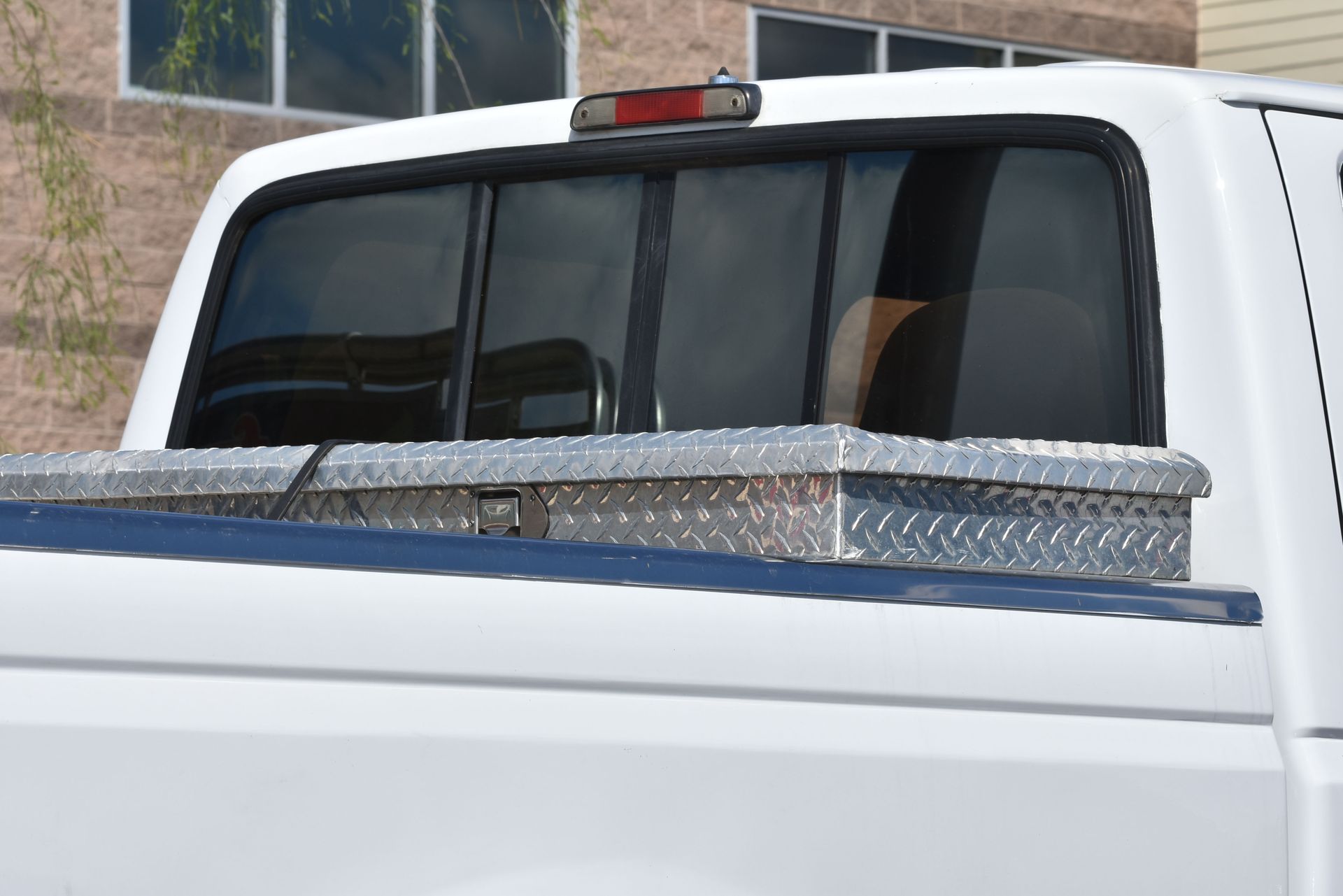
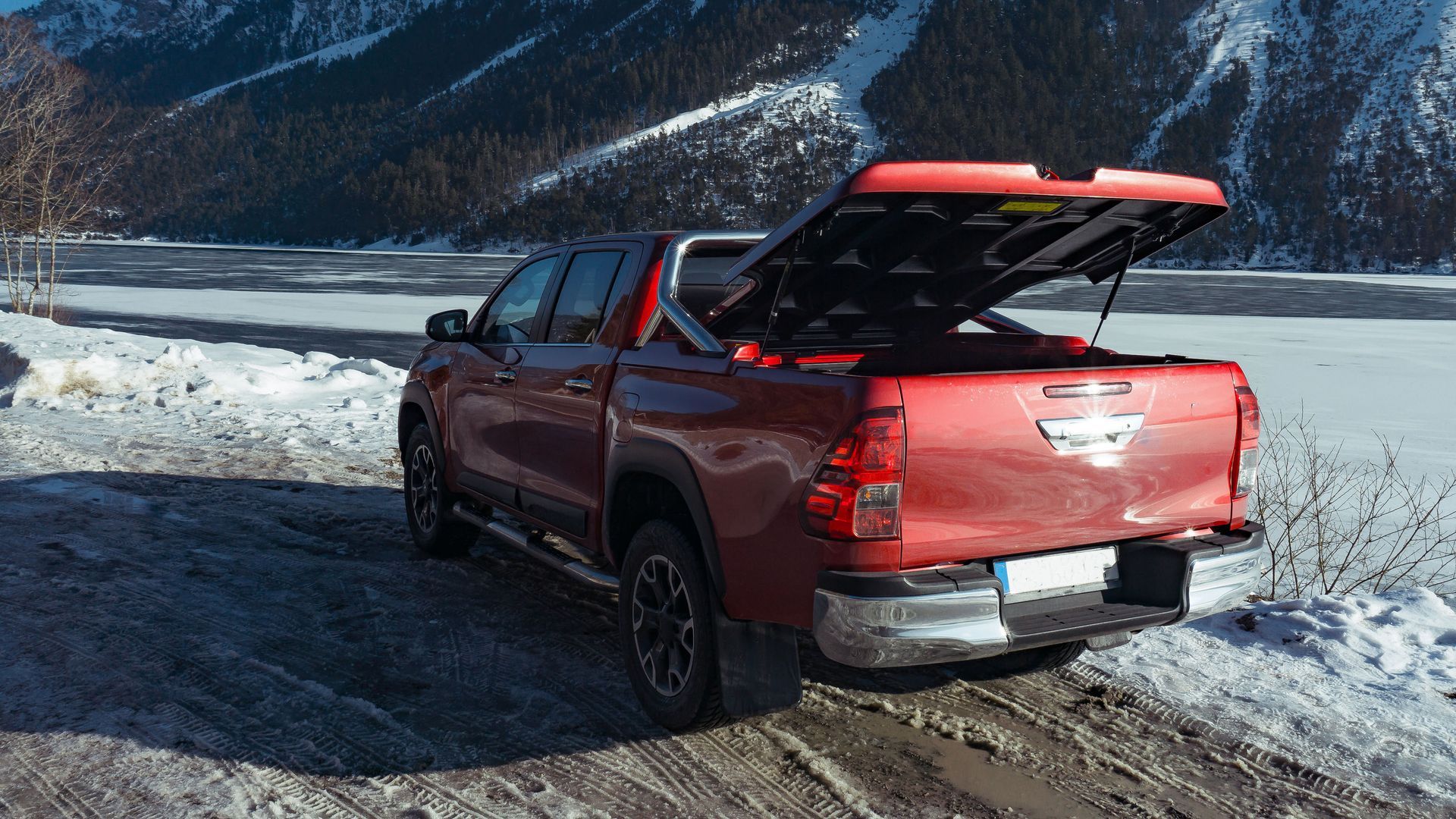
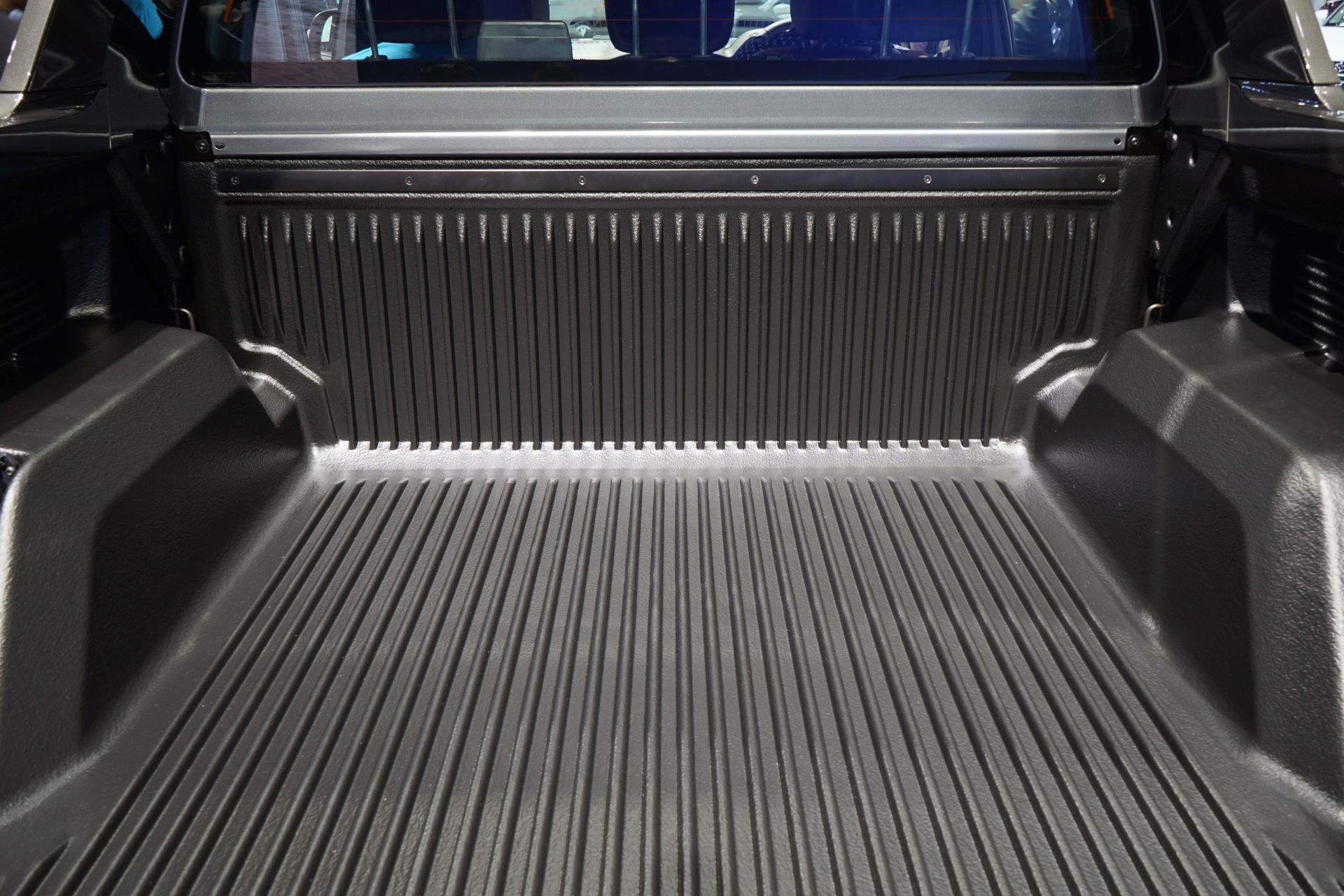
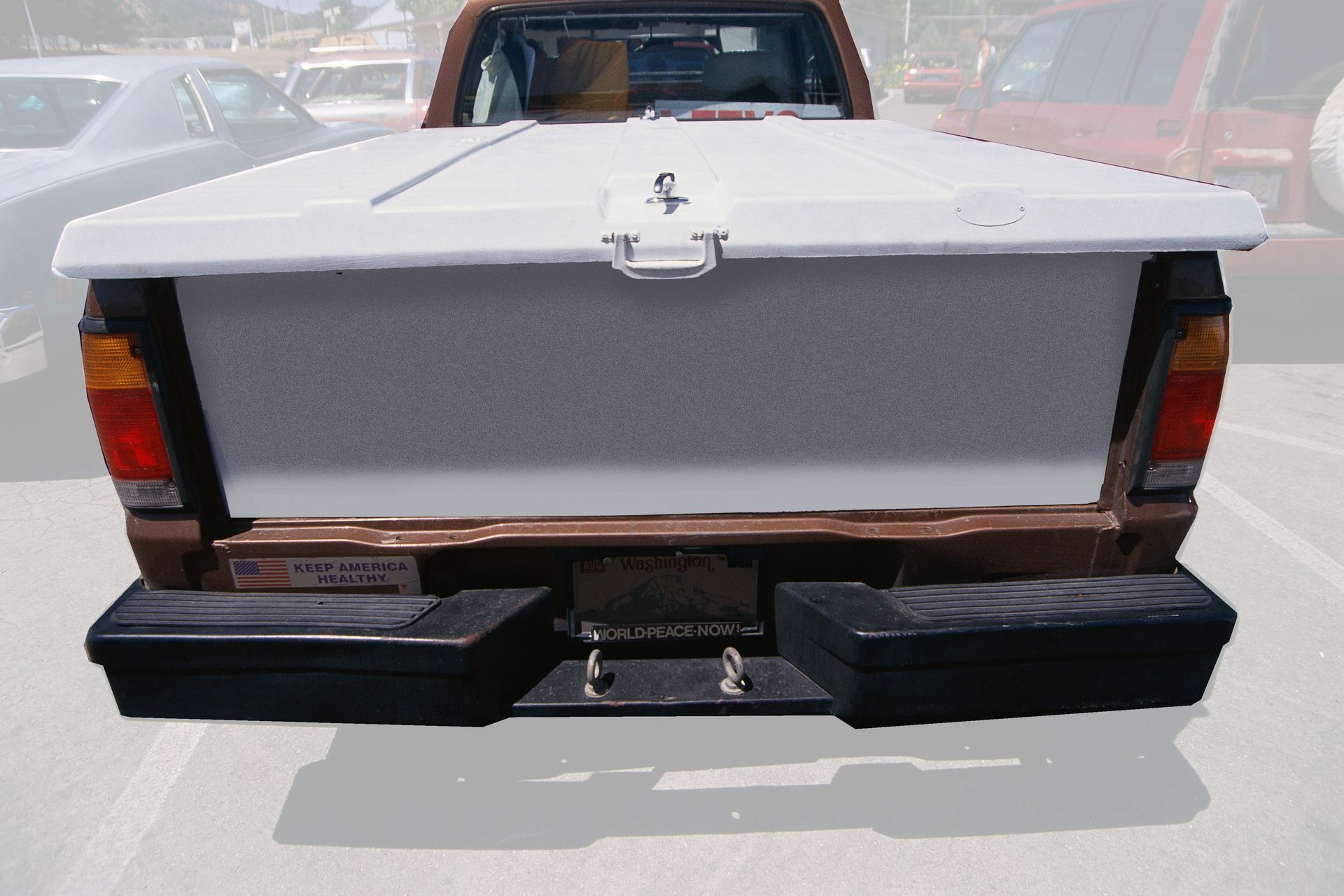
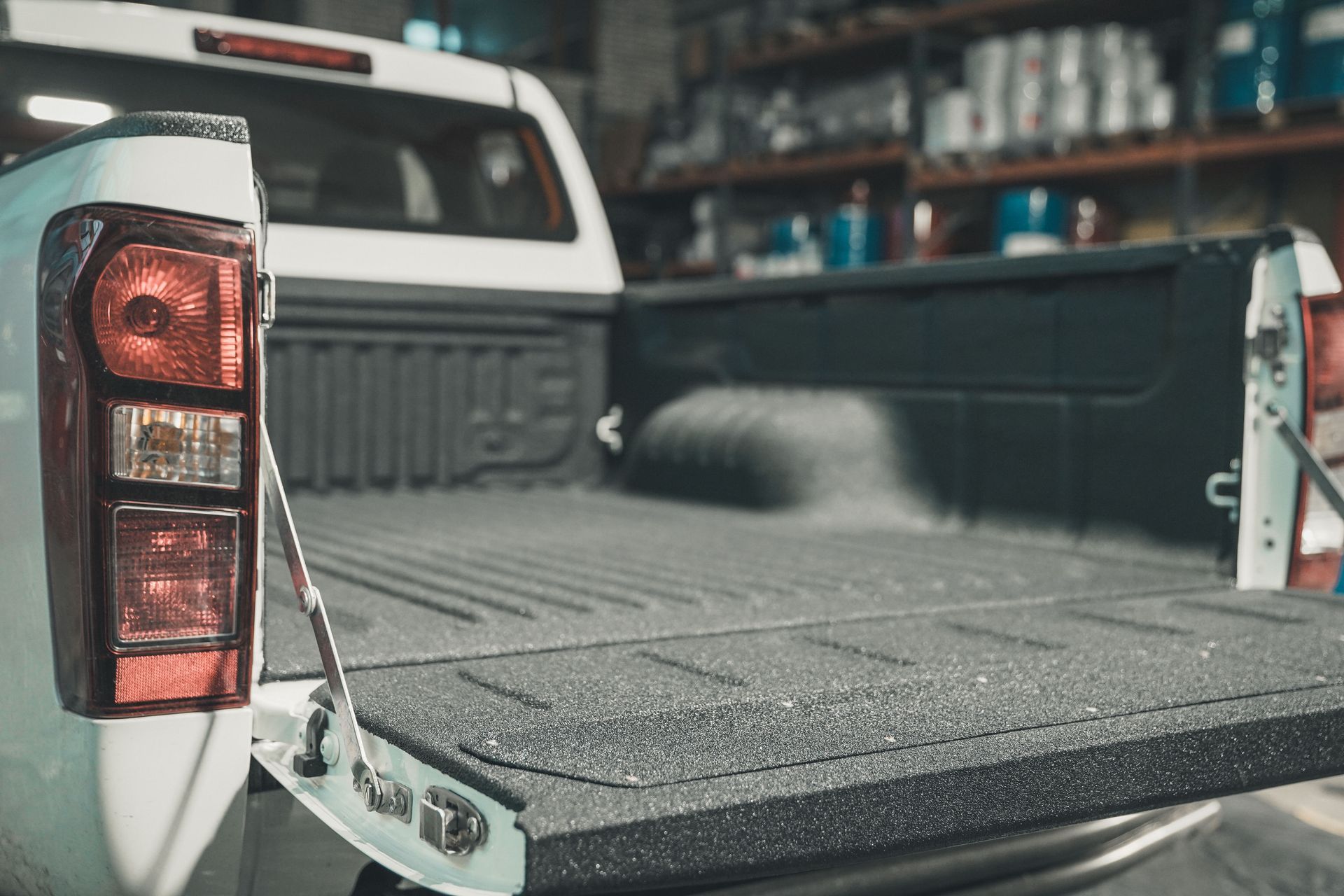
Bed liners help guard against scratches, dents, and abrasion caused by heavy equipment. Tonneau covers can shield cargo from rain and road debris while keeping stored items less visible. Lockable storage boxes provide an additional layer of protection for tools and smaller valuables. Although these features can improve security, no cover or lock guarantees that cargo will be safe from theft.
Adapting Storage to Different Adventures
Modular storage systems allow drivers to adjust their setup for different trips. Drawer units can organize cooking supplies and recovery equipment, while cargo nets help prevent loose items from shifting. Bed extenders may provide additional support for oversized loads when used correctly. When comparing truck accessories, consider how easily each component can be removed or rearranged when cargo needs change.
Maintaining Comfort With Portable Power Systems
Calculating Your Energy Requirements
Portable power stations and generators can support essential equipment when conventional outlets are unavailable. Camping lights, phones, communication devices, and certain cooking appliances all have different energy demands. Estimating total wattage and expected operating time helps determine the capacity needed for a particular trip. Drivers should also account for startup power requirements when selecting equipment for devices with electric motors.
Comparing Available Power Solutions
Battery power stations offer quiet operation and convenient portability, making them suitable for charging electronics and running compatible low-power devices. Solar panels can replenish compatible battery systems when sunlight is available. Portable generators may provide greater output for certain applications, although they require fuel, ventilation, and safe operating distances from occupied spaces. Comparing capacity, charging options, weight, and maintenance requirements helps identify a practical solution.
Using Power Equipment Responsibly
Follow manufacturer instructions for charging, storage, and operation. Keep fuel-powered generators outdoors and away from tents, vehicles, and enclosed spaces because carbon monoxide can cause fatal poisoning. Protect electrical connections from moisture and avoid exceeding rated output limits. A reliable power setup can improve comfort, but safe operation remains essential during every outdoor excursion.
Strengthening Preparedness With Navigation and Communication Tools
Planning Routes With Reliable Navigation
GPS devices and mapping applications help drivers plan routes, identify trail entrances, and track their locations. Downloadable maps are particularly useful in areas where cellular coverage is unreliable. Before departing, review trail conditions, fuel availability, road restrictions, and expected travel times. Keeping a paper map as a backup provides another option if electronic equipment loses power or stops working.
Maintaining Contact in Remote Areas
Two-way radios help groups communicate when traveling in separate vehicles or navigating challenging terrain. Satellite communicators and satellite phones can provide connections beyond conventional cellular coverage, depending on the service and surrounding conditions. Personal locator beacons can send distress alerts through supported satellite networks. Choosing suitable equipment depends on the remoteness of the destination and the potential consequences of losing contact.
Preparing for Unexpected Situations
Navigation and communication devices work best when drivers understand their features before leaving home. Charge batteries, update maps, save emergency contacts, and explain communication plans to everyone in the group. A basic recovery kit, first-aid supplies, drinking water, and emergency food also help prepare travelers for delays. These precautions complement other truck accessories by supporting safer decisions when conditions change unexpectedly.
Start by identifying the activities you enjoy most, then prioritize the upgrades that address your biggest challenges. Whether you need better cargo organization for weekend camping or specialized equipment for remote trails, thoughtful planning can improve your truck's usefulness for years to come. Contact Shell Land to explore available truck accessories and find practical options for your next outdoor adventure.










Share On: