
How to Install Hard-Folding Covers Without Damaging Your Truck Bed
Installing a hard-folding truck bed cover can improve cargo protection, weather resistance, and appearance, but the installation needs to be handled carefully. Even a high-quality cover can cause scratches, pressure marks, or alignment problems if clamps are overtightened, rails are positioned incorrectly, or debris becomes trapped between mounting surfaces. Preparing the truck bed helps protect painted surfaces, bed caps, and factory components while allowing the cover to operate properly. For truck owners installing hard-folding covers, following the correct sequence is just as important as using the right tools.
Preparing the Truck Bed Carefully
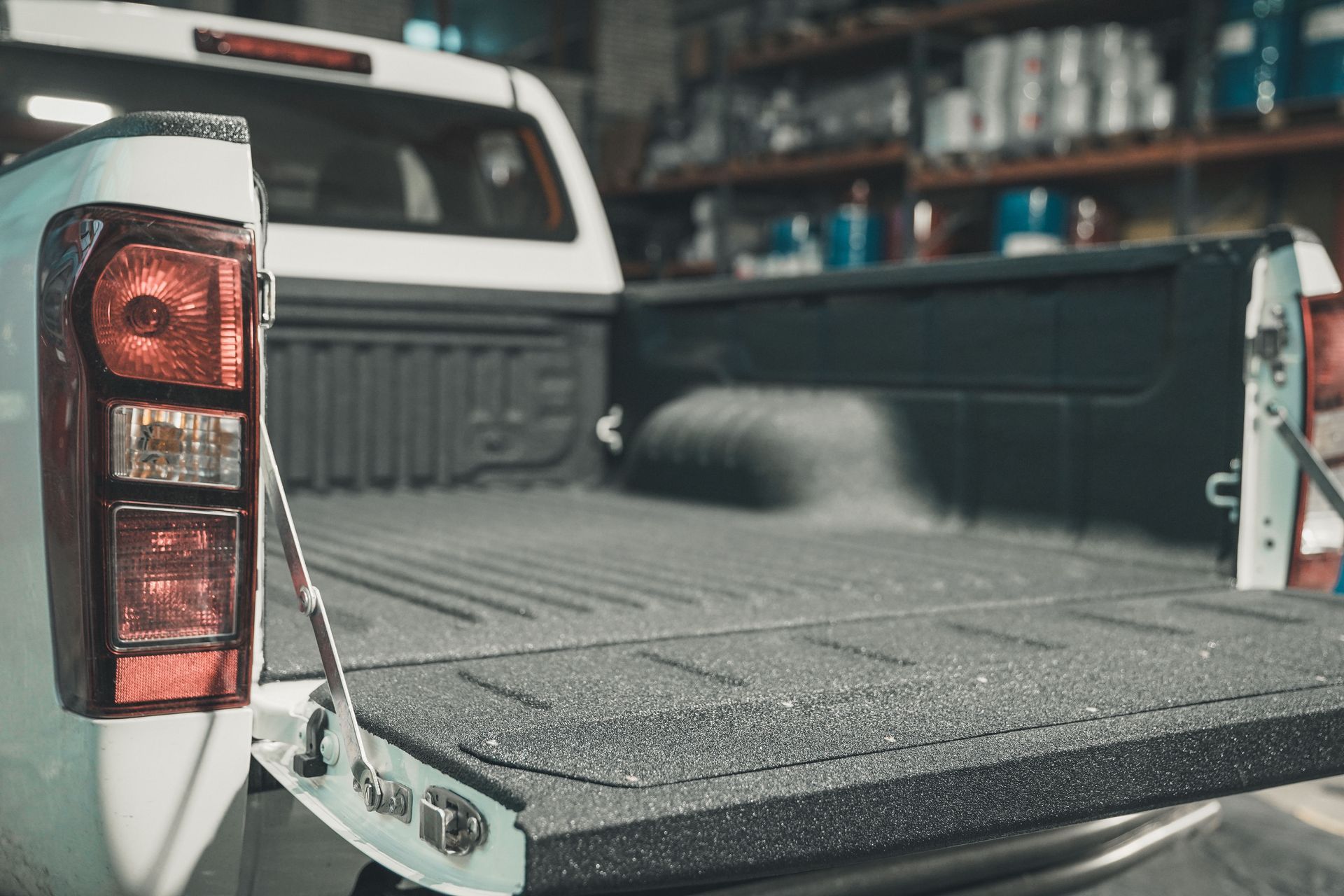
Start by cleaning the bed rails, tailgate area, and every surface where the cover or mounting hardware will make contact. Dirt, sand, or metal debris trapped beneath rails or clamps can scratch paint as the hardware is tightened. Wash the surfaces with mild soap and water, dry them completely, and inspect the area for existing damage. If the truck has a spray-in liner, drop-in liner, bed caps, or another accessory, confirm that it will not interfere with installation. Some hard-folding covers work with common accessories, while others may require special brackets or minor adjustments.
Gather all tools, hardware, and instructions before beginning. Lay the parts on a clean surface so bolts, clamps, seals, and rails do not get lost or dragged across the truck. Avoid placing metal hardware directly on painted surfaces. If the manufacturer includes protective tape, foam strips, or rubber pads, install them exactly where specified. These materials reduce direct contact and help prevent scratches or pressure marks. Good preparation can also make installation easier to manage.
Positioning the Rails Evenly
Many systems use side rails that must sit level and parallel along the truck bed. Position each rail according to the manufacturer's measurements rather than estimating by sight. A rail that sits too high, low, or crooked can create uneven pressure when clamps are tightened and affect how the panels sit when closed. Before securing anything firmly, confirm that both rails are positioned consistently from the front of the bed to the tailgate. Accurate rail alignment gives the panels a stable, even foundation.
Check for factory bed caps, tie-down points, stake pockets, or other features that could affect the fit. Do not force a rail into place if it rocks, bows, or rests on an uneven surface. Forcing it flat with clamps may damage the rail, bed cap, or truck bed edge. Instead, determine whether the system includes spacers, shims, or alternate mounting positions. If protective seals are included, make sure they lie flat without bunching or twisting. Proper placement reduces the need for excessive clamp pressure later.
Tightening the Clamps Gradually
Clamps should be tightened in stages instead of fully securing one before moving to the next. Attach each clamp loosely so the rails remain adjustable. Once all clamps are in place, check alignment again and tighten them gradually, moving from one side of the bed to the other. This distributes pressure evenly and reduces the chance of shifting a rail. Overtightening can damage bed caps, deform mounting surfaces, or leave marks, especially on trucks with plastic rail covers.
Use the manufacturer's torque guidance when available. More force does not necessarily create a better installation. The goal is to hold the rail securely without crushing, bending, or stressing truck bed components. If a clamp uses a rubber pad or protective insert, make sure it stays centered while tightening. Stop if you hear cracking, see plastic deforming, or notice the rail moving. Careful clamp adjustment helps install hard-folding covers without preventable damage.
Aligning the Cover Before Securing It
Once the rails are secure, place the folded cover at the front of the truck bed according to the instructions. This may be easier with another person. Lift the cover instead of sliding it across the rails to reduce the chance of scratches. Center it from side to side and make sure the front seal sits evenly against the bulkhead area. Do not permanently secure the cover until you confirm that the panels unfold straight and the edges sit evenly on both rails.
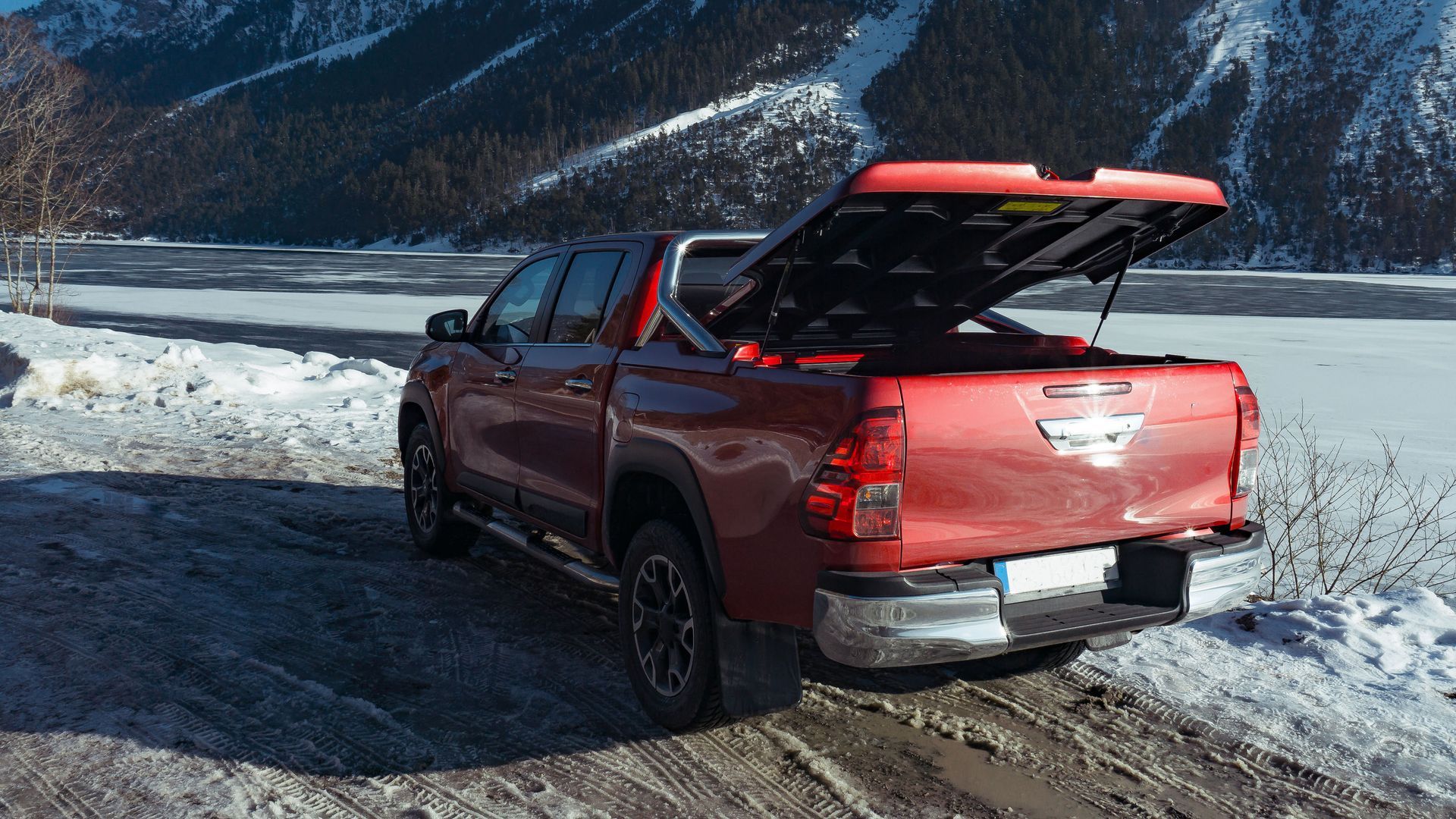
Open and close the cover several times before finalizing its position. Check whether the rear panel lines up with the tailgate and whether the latches engage without excessive force. According to Car And Driver, folding or trifold designs can limit access to the truck bed and, when fully folded, may block rear visibility or take up as much as one-third of the bed's vertical space. Verify how the cover folds and rests when open to prevent rubbing against the cab, tailgate, or trim.
Testing the Seals and Latches Thoroughly
After alignment, inspect every seal along the front, sides, and tailgate. Seals should make consistent contact without being crushed, folded under, or stretched too tightly. A poorly positioned seal may allow water or dust into the bed, while excessive compression can place unnecessary pressure on the mounting system. If a seal does not sit correctly, reposition the cover or rail instead of overtightening clamps. This protects the truck bed while improving the weather resistance of hard-folding covers.
Test every latch and locking point. Each should engage securely without requiring you to push hard on the panel or twist the cover. If a latch is difficult to engage, check alignment before making adjustments. A misaligned rail or panel can place stress on the hardware and bed edges. Make sure release cables move freely and stay away from sharp edges or pinch points. Complete several opening and closing cycles to identify binding, rubbing, or unusual movement before regular use.
Checking Clearances Before Driving
Before driving, verify proper clearance around the cab, tailgate, rear window, and bed-mounted accessories. Fold the cover through every position and make sure no panel, buckle, prop rod, or hinge contacts painted surfaces. If the cover can be secured partially open, test that configuration too. Loose straps or unsecured panels can move during travel and strike the truck. Properly securing the cover in each approved position helps protect both the cover and the vehicle from impact damage.
Inspect the underside of the cover and rails for exposed bolts, brackets, or hardware that could contact cargo or the inside of the bed. Make sure drain tubes, if included, are routed correctly and do not rub against wiring or other components. Close the tailgate carefully while watching the rear panel to confirm there is no interference. A clearance check can reveal small installation issues before driving.
Rechecking the Installation After Use
A new cover may settle slightly after the first few trips, so inspect the mounting points again after some use. Check clamps, rails, seals, hinges, and latches to make sure nothing has shifted. Do not automatically tighten every clamp further. Instead, confirm that each fastener remains secure and the rails are still aligned. If one area has moved, loosen and reposition it rather than adding more force. Periodic checks help hard-folding covers stay secure without creating long-term pressure damage.
Continue cleaning the rail contact areas and inspecting protective pads or seals during routine maintenance. Dust and grit can work into mounting points over time, especially if the cover is removed and reinstalled. If you take the cover off seasonally, store it on a clean, padded surface and keep the hardware organized. Following the same process during reinstallation can help preserve the cover and truck bed.
Installing a folding truck bed cover successfully depends on careful preparation, accurate positioning, gradual tightening, and repeated checks rather than speed or excessive force. Cleaning mounting surfaces, protecting contact points, aligning rails evenly, checking seals, and testing each latch can help prevent scratches, pressure marks, and other damage. It is also important to verify clearances and inspect the setup again after the cover has been used on the road. When installed correctly, hard-folding covers can provide convenient cargo protection without compromising the truck bed. For help choosing hard-folding covers or the right accessories for your pickup, contact Shell Land.










Share On: